Introduction
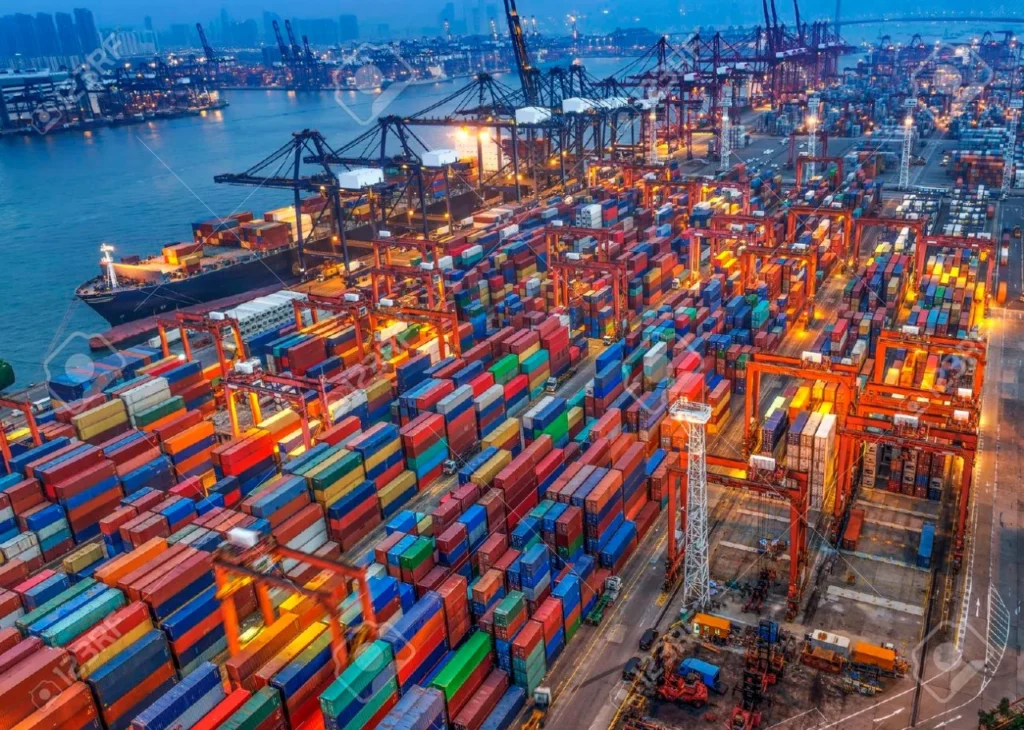
Morocco’s major ports are more than just docking points—they are dynamic hubs of commerce, training, and professional development for merchant marine personnel. Ports like Tanger Med, Casablanca, and Jorf Lasfar connect Morocco to international shipping lanes and enable the smooth transfer of goods, resources, and industrial products. These ports are strategically positioned along the Atlantic and Mediterranean coasts, making Morocco a crucial player in global maritime trade.
Captains and marine engineers rely on these facilities to operate efficiently and safely, while port infrastructure ensures the country can handle increasing cargo volumes. Moroccan ports are not only centers of economic activity but also arenas for technical innovation, maritime education, and employment. This blog explores the role of Moroccan ports in professional maritime operations and their impact on the national and international trade landscape.
Tanger Med: Morocco’s Modern Maritime Gateway
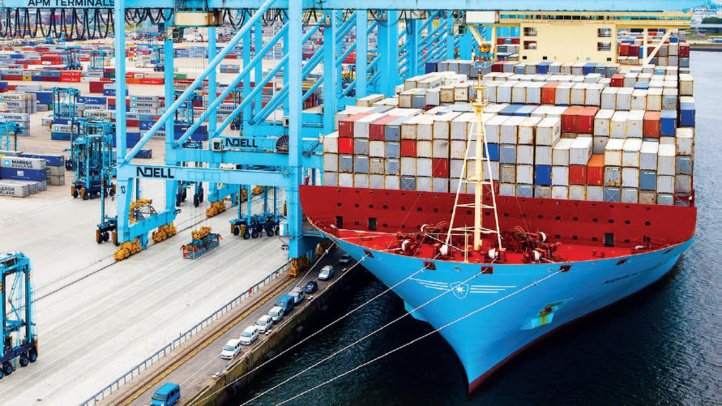
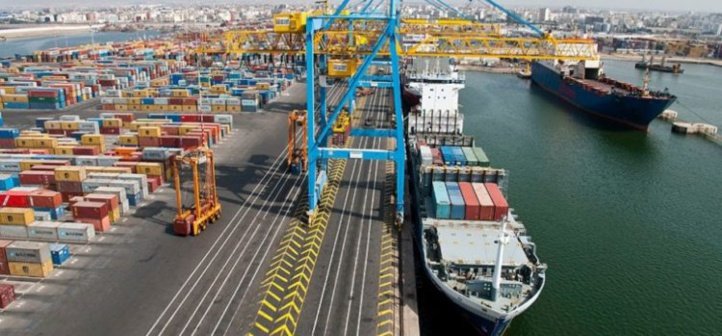
Tanger Med is one of the largest and most advanced ports in Africa, serving as a major gateway for international trade. Designed with modern container terminals, bulk cargo handling systems, and efficient logistics, Tanger Med allows Moroccan merchant mariners to manage complex shipping operations with ease. Captains and engineers working at this port are responsible for coordinating ship arrivals, overseeing loading and unloading operations, and ensuring adherence to safety and quality standards.
Casablanca and Jorf Lasfar: Strategic Trade Centers
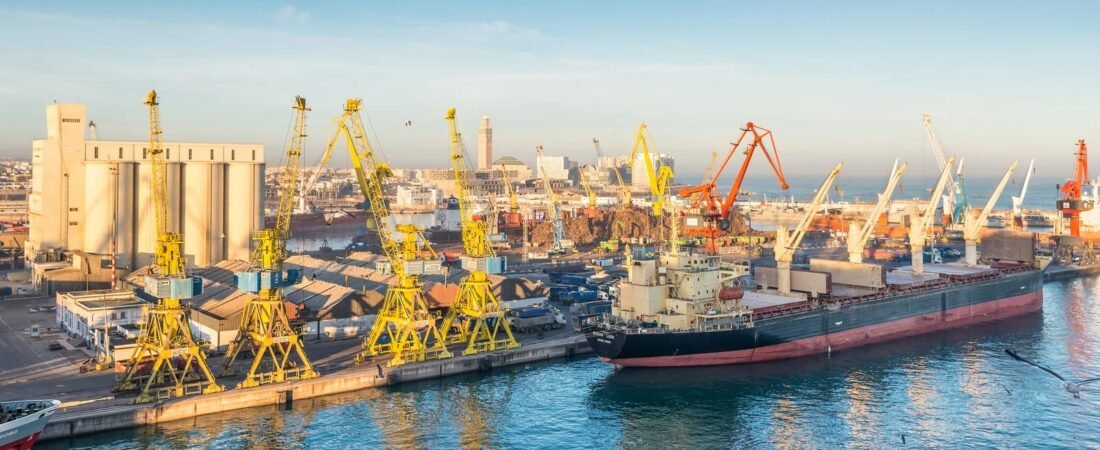
The ports of Casablanca and Jorf Lasfar play a critical role in Morocco’s maritime economy. Casablanca, the country’s largest commercial port, handles container traffic, industrial goods, and import-export activities. Jorf Lasfar, meanwhile, specializes in industrial and bulk cargo, including energy products and raw materials. Merchant marine professionals operating in these ports ensure seamless logistics, supervise cargo operations, and maintain safety protocols for vessels and port infrastructure.
Agadir: Regional Hub for Trade and Fisheries
Agadir port is a major southern Atlantic port handling container shipping, agricultural exports, and fisheries. Merchant mariners operating here are responsible for vessel operations, cargo management, and maintaining safety standards. Agadir supports regional economic development, offering employment and professional growth opportunities for captains, marine engineers, and maritime staff. The port’s operations also play a significant role in Morocco’s export economy, especially for agricultural and seafood products, making it a key gateway for international trade.
Dakhla: Emerging Strategic Port
Dakhla port, located in southern Morocco on the Atlantic coast, has emerged as a strategic maritime hub focused on fisheries, trade, and renewable energy exports. Merchant marine professionals in Dakhla ensure vessels are seaworthy, manage cargo operations, and enforce safety and technical standards. This growing port connects Morocco’s southern regions to international markets, providing new career opportunities and professional experiences for captains and engineers. Dakhla exemplifies Morocco’s commitment to expanding maritime infrastructure, supporting economic development, and enhancing its presence in global maritime trade.