Introduction
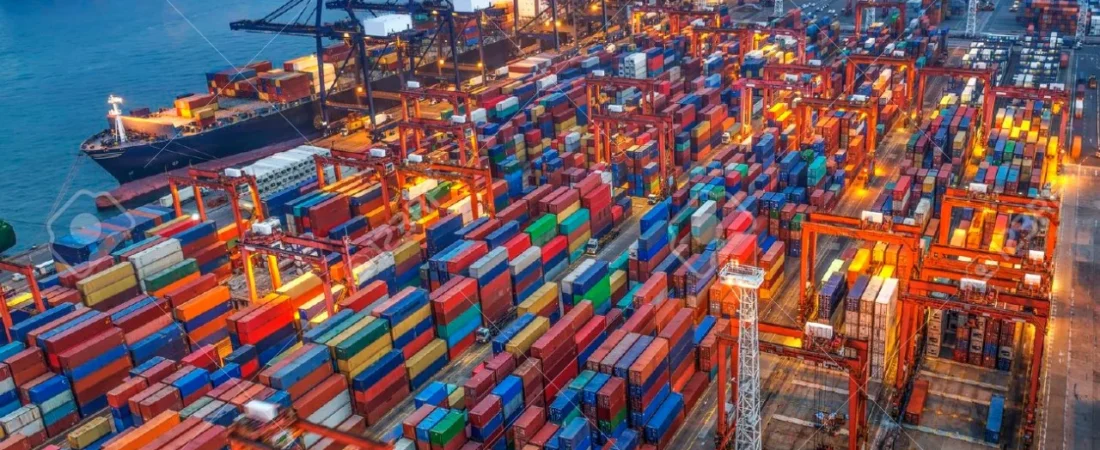
The Moroccan merchant marine represents one of the most vital sectors of the country’s economy, linking Morocco to global trade networks and fostering professional development for captains and marine engineers. Positioned strategically between the Atlantic Ocean and the Mediterranean Sea, Morocco has a long maritime history, where commercial shipping has served as a cornerstone of national growth.
The merchant marine ensures the safe and efficient transport of goods, energy resources, and raw materials, supporting industrial and commercial activities across the country. Moroccan mariners, including captains and engineers, maintain high international standards, combining technical expertise with operational precision. Their work is not only essential for trade but also enhances Morocco’s international reputation as a reliable maritime partner. This blog explores the key roles of Moroccan merchant marine professionals and highlights their impact on both national and global commerce.
The Role of Captains in the Moroccan Merchant Marine
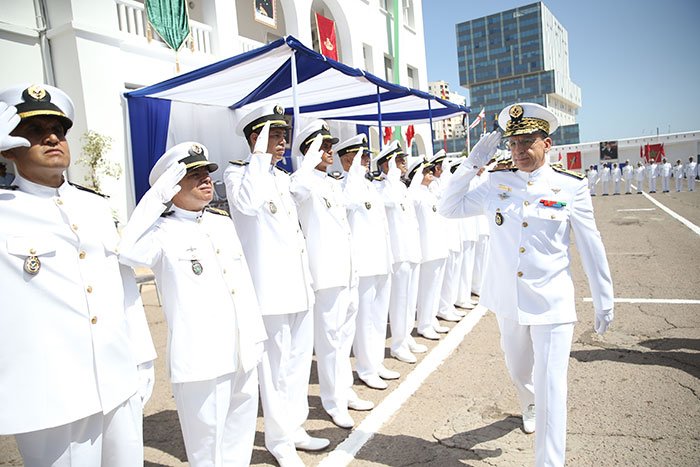
Captains are the leaders of every merchant vessel, responsible for the safe navigation, operation, and overall management of the ship. Moroccan captains are highly trained professionals who must master advanced navigation techniques, maritime law, emergency procedures, and cargo management. On a daily basis, they ensure that vessels move efficiently across international routes, avoiding delays or accidents that could compromise trade. Beyond navigation, captains supervise crew members, coordinate with port authorities, and ensure that cargo is handled according to safety and quality standards. Their decisions affect not only the economic success of shipping operations but also the safety of the crew and the environment.
Marine Engineers and Technical Expertise
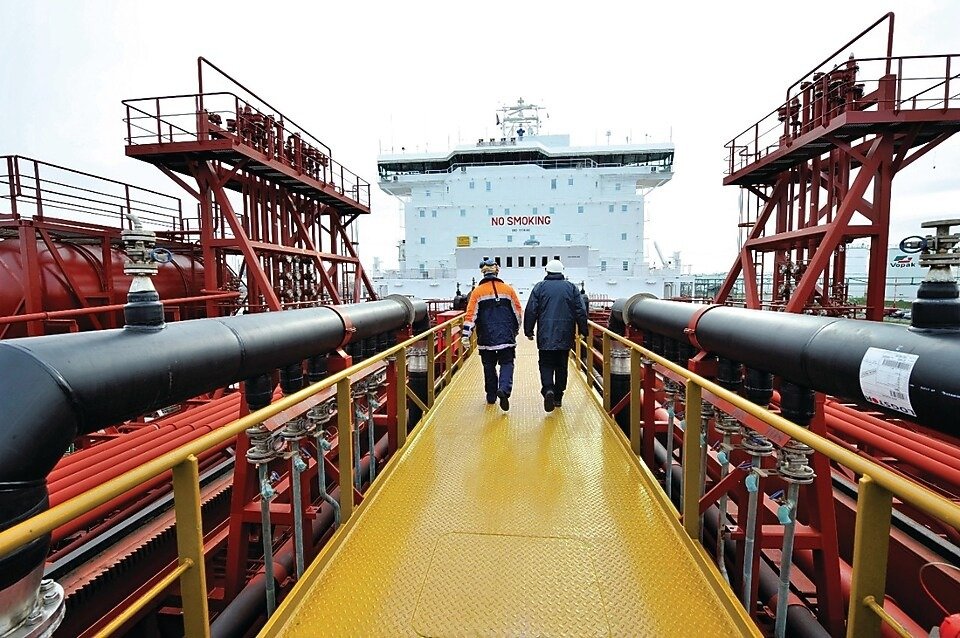
Marine engineers are the backbone of any merchant vessel, responsible for maintaining and operating all mechanical and technical systems on board. In Morocco, marine engineers undergo rigorous training to manage engines, electrical systems, propulsion units, and safety equipment. Their work ensures that ships operate efficiently, reliably, and in compliance with international environmental standards. Engineers monitor fuel consumption, troubleshoot mechanical problems, and implement upgrades to improve performance, which directly impacts the profitability and safety of shipping operations..